
The issue of fuel in Haiti is once again at the center of public debate, in a context marked both by international tensions in oil markets and by an internal reform of the price-setting mechanism. The issue of fuel in Haiti is once again at the center of public debate, in a context marked both by international tensions in oil markets and by an internal reform of the price-setting mechanism. Between rumors of shortages, concerns over a possible price increase, and new government measures, it has become necessary to place the debate back within its proper economic, institutional, and international framework.
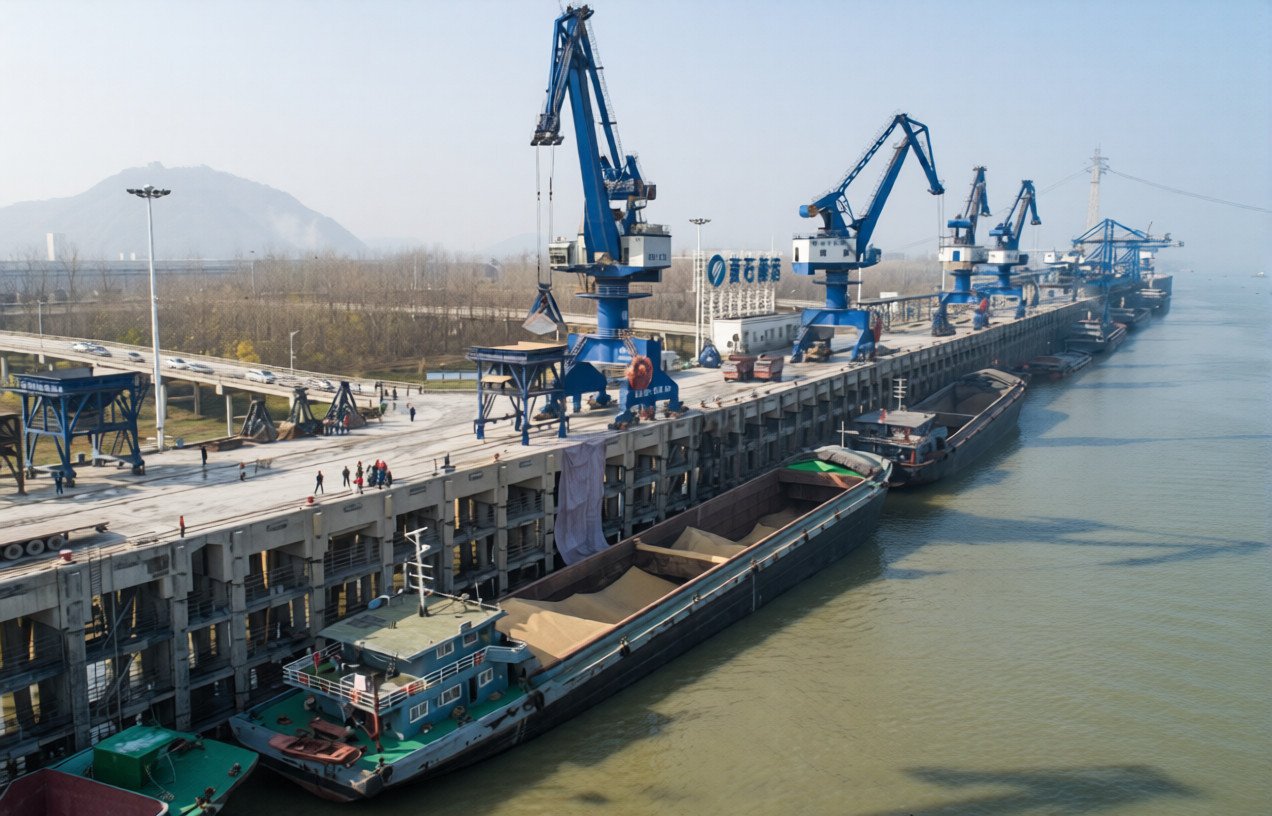
First, it is important to understand that the current situation cannot be analyzed without considering the global context. The war in the Middle East and international geopolitical tensions have led to a significant increase in oil prices on the global market. This increase does not affect Haiti alone: several countries have already adjusted pump prices to absorb the oil shock. Haiti, a net importer of petroleum products, cannot remain completely insulated from these fluctuations. When international prices rise, import costs increase mechanically. Since the State is no longer an importer or distributor of petroleum products, it cannot indefinitely absorb this difference without creating a major budgetary imbalance.
Too often, ill-intentioned or irresponsible political actors use the issue of pump price adjustments to trigger a social shock likely to lead to a change of government, while the underlying problem remains unresolved and cannot be addressed through violent or destructive protests. The fuel issue is above all an economic, budgetary, and structural problem that requires technical, institutional, and sustainable solutions—not repeated political crises that further weaken the State and the national economy.
It is in this difficult context, at least as one might assume, that the government adopted the new decree establishing the modalities for setting petroleum product prices. The objective is not simply to increase or decrease prices, but to introduce a stable, predictable, and transparent mechanism to avoid sudden adjustments and improvised decisions as seen in the past. Based on a participatory and inclusive approach, the new system now relies on a regulated automatic adjustment mechanism, with variation thresholds and limits on rapid changes, aiming to protect both consumers and public finances.
At the same time, the Ministry of Commerce and Industry issued an official statement reminding that there is currently no fuel shortage and that illegal sales in containers are prohibited. This measure primarily aims to combat speculation, illegal storage, and clandestine resale, which artificially worsen fuel crises. In reality, in many past situations, scarcity was not always due to an actual lack of fuel, but rather to speculative behavior and illicit stockpiling.
To properly understand Haiti’s petroleum sector, it is also important to recall that since the liberalization of the market in 2021, the role of the State has changed considerably. Before that date, the State, through the BMPAD, ordered, controlled, and marketed petroleum products. Today, orders are placed directly by private companies grouped within the APPE, while the State—still through the BMPAD—mainly handles the management of bids for premiums (transport costs) and quality control of imported products. Pump prices, however, remain set by the Ministry of Economy and Finance through the price structure at the level of the Fiscal Inspection Directorate (DIF).
Thus, contrary to what many believe, the Haitian State does not directly import fuel but regulates prices and ensures the system’s balance. It is precisely to improve this governance that a consultative council for monitoring the petroleum market will be established. This council will bring together the State, transport unions, importers, and distributors to strike a balance between three imperatives: enabling companies to import regularly, preventing the State’s budgetary collapse, and protecting the population’s purchasing power as much as possible.
The composition of this consultative council includes representatives from the main components of the petroleum and transport sectors. The State is represented notably by Vladimyr Monval, Steeve Polycarpe, and Jean Nerva Siméon. Importers and distributors of petroleum products are represented by Mildred Noisy, David Turnier, and Jean Jackson Marseille, while transport sector unions are represented by Jacques Anderson Desroches, Bénissoit Duclos, and Montès Joseph. The presence of these different stakeholders aims to ensure a more balanced consultation process in monitoring the petroleum market and in making recommendations regarding price adjustments.
The major concern of the population today is not only the potential increase in prices—which is evident given the current international market context—but especially the fear that when international prices fall, local prices will not decrease, as has often happened in the past. Precisely, the new adjustment mechanism and the creation of the consultative council are intended to correct this historical imbalance by introducing greater transparency and regularity in price adjustments, if one refers to the decree of March 27, 2026.
In conclusion, the current fuel situation in Haiti lies at the intersection of two realities: unavoidable international pressure and necessary national reform. The real challenge today is not only the price of fuel, but the establishment of a system capable of preventing recurring crises, budgetary imbalances, and social tensions. If this new mechanism is implemented with rigor and transparency, it could finally mark the transition from a state of permanent crisis management to genuine real-time governance of the petroleum sector