
In Haiti, tuberculosis remains a persistent threat. Despite free treatment, insecurity, poverty, and limited access to healthcare continue to hinder control efforts. On the occasion of World Tuberculosis Day, observed on March 24, Dr. Richard Milo, head of the National Tuberculosis Control Program (PNLT), outlined a worrying situation in an interview with Le Nouvelliste. Characterized by persistent cough (sometimes with blood), chest pain, fatigue, weight loss, fever, and night sweats, tuberculosis is still one of the leading causes of death worldwide. Although it is preventable and curable, it continues to spread actively in Haiti, driven by harsh living conditions and restricted access to care.
In 2025, Haiti recorded 11,337 detected cases, including 80 drug-resistant cases, up from 10,500 in 2024. Men account for 60% of cases, women 40%, and children about 10%. Around 15% of cases involve HIV co-infection. However, these figures should be interpreted cautiously, as insecurity and limited access to healthcare distort data collection, particularly in the metropolitan area of Port-au-Prince and other affected regions.
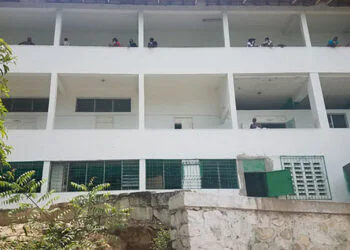
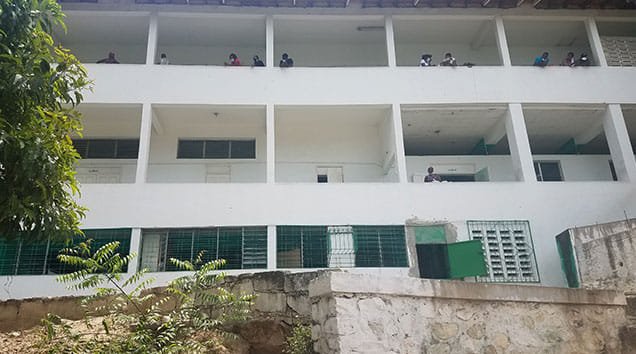
Access to screening and treatment is now one of the main challenges. Insecurity limits both patient mobility and the delivery of medical supplies. The closure of the Sanatorium hospital in Port-au-Prince—a former key treatment center—illustrates the strain on the healthcare system. Alternative facilities such as Hôpital La Paix and Foyer Saint Camille provide some support but remain insufficient.
To address these constraints, the PNLT focuses on early detection and treatment to prevent severe cases requiring hospitalization. Rapid diagnostic tools like GeneXpert can deliver results within two hours, with even faster technologies expected soon. Still, late diagnosis and insecurity continue to undermine progress.
The treatment success rate stands at حوالي 82%, though 7–8% of patients are lost to follow-up, often due to displacement caused by violence. To improve outcomes, the program emphasizes community-based approaches, including door-to-door visits and collaboration with traditional healers, which have proven more effective than media campaigns.
Dr. Milo stresses that tuberculosis is not only a medical issue but also a social one, requiring coordinated action across sectors such as housing, nutrition, and education. Despite ongoing efforts, insecurity remains the central obstacle, forcing authorities to adapt strategies in a fragile and evolving context.