

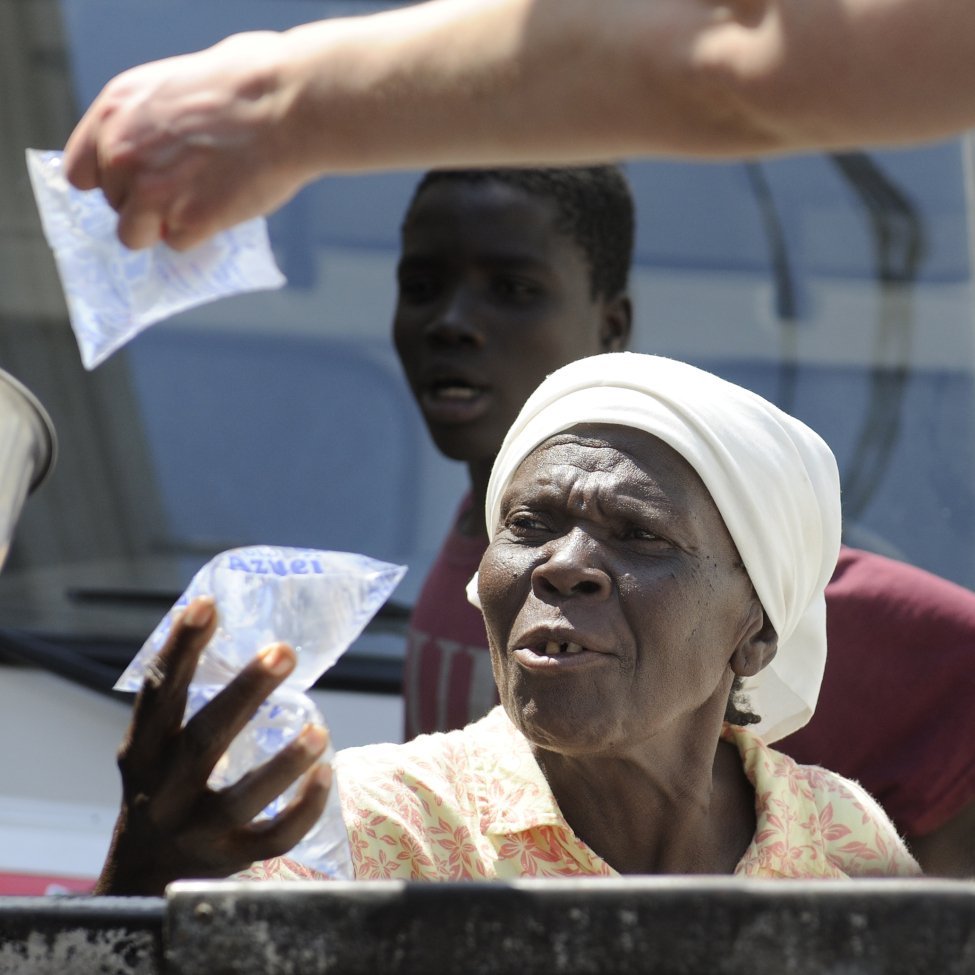
In a city where the formal water grid has all but collapsed, “de dlo” (water sachets) have become the only way to survive the tropical heat. But behind this multi-million dollar informal industry lies a grim biological threat. A comprehensive government audit of production sites across the metropolitan area has confirmed that nearly every drop of “purified” water sold on the streets is teeming with life-threatening bacteria.
The Anatomy of a Failure
The contamination is not accidental; it is systemic. The Ministry’s report highlights a total breakdown in the production chain:
Source Pollution: Many artisanal “factories” pump water from untreated wells located near latrines.
Abysmal Hygiene: Production and sealing processes occur in environments that ignore basic sanitary standards.
Storage Hazards: Plastic sachets are often stored in direct sunlight or unsanitary depots, allowing bacteria to multiply rapidly before they reach the consumer.
A Return to the “Cholera Years”
For many Haitians, these findings evoke the dark memories of the 2010 post-earthquake cholera epidemic that killed thousands. Today, the conditions for a repeat catastrophe are even more ripe.
Medical experts warn that the presence of fecal matter in drinking water is a direct gateway to:
Cholera & Typhoid: Diseases that can trigger rapid outbreaks in high-density neighborhoods.
Acute Dehydration: A primary killer of malnourished children and the elderly, who can succumb to infection in less than 24 hours.
Chronic Parasitic Infections: Stunting the growth and development of the city’s youth.
Regulation in a State of Siege
The Ministry of Commerce’s alarm is loud, but its hands are tied. The report admits that the government lacks the resources to police the thousands of “pop-up” water vendors.
The crisis is exacerbated by Haiti’s broader collapse:
The Gang Factor: Armed groups now control the very neighborhoods where these water plants operate, making it impossible for health inspectors to conduct “surprise” visits.
Resource Depletion: National laboratories are crippled by fuel shortages and a lack of chemical reagents needed for constant testing.
The Survival Paradox: Even as the government warns the public that the water is “poisoned,” there is no alternative. For a family living on two dollars a day, a contaminated sachet is often the only choice between infection or death by thirst.
A Call for National Mobilization
The Ministry has issued a “solemn appeal” for a national surge in safety standards, but in a country mired in political and security chaos, these recommendations feel like a whisper in a hurricane. Without a radical restoration of the state’s ability to provide clean water, the sachet—once a symbol of Haitian resilience—will remain the silent vector of a foretold tragedy.