
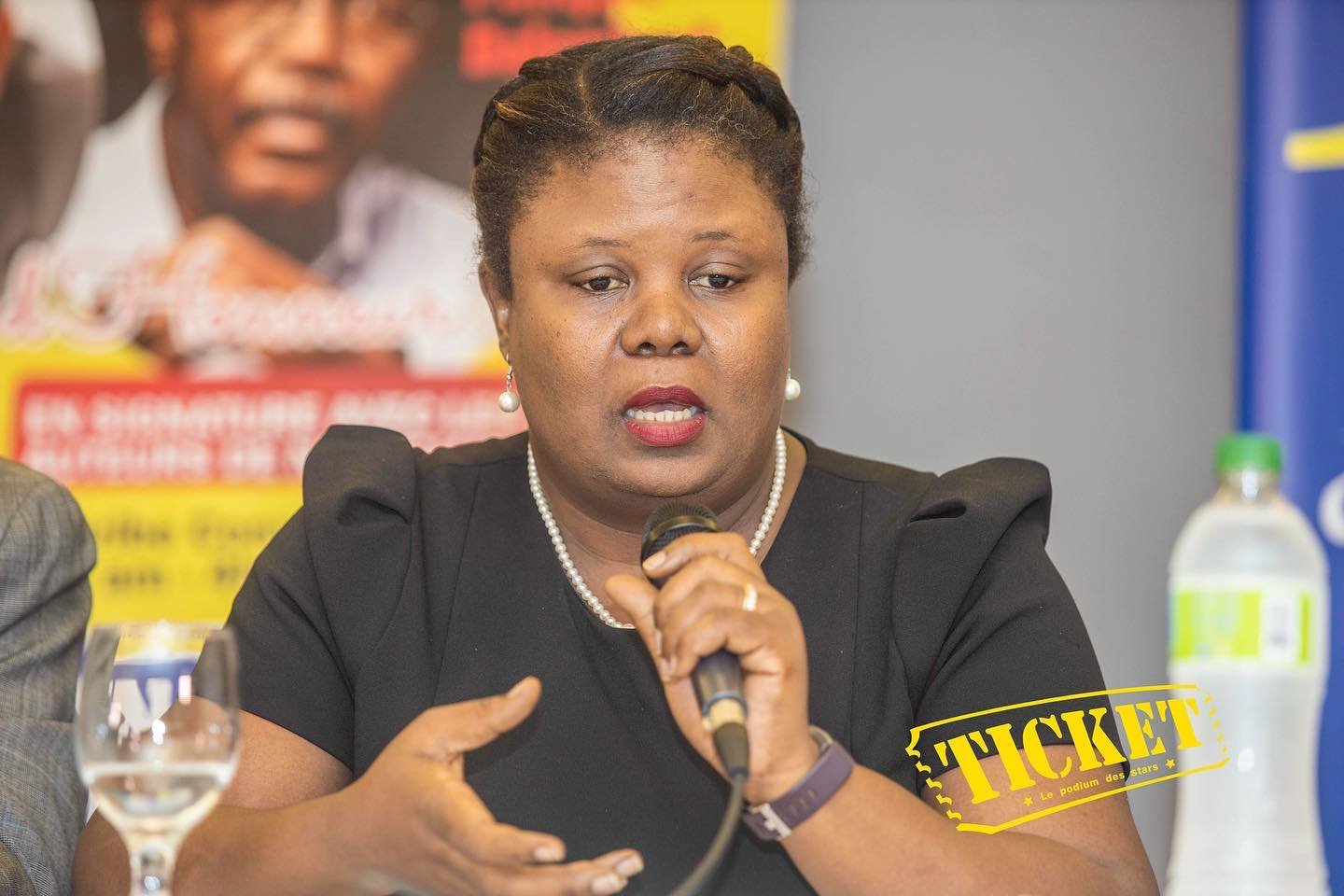
The formal launch of Haiti’s specialized judicial units dedicated to mass casualties, sexual violence, and complex financial crimes has run into immediate institutional opposition. Speaking on the current affairs program Panel Magik on Friday, May 29, 2026, Rosy Auguste Ducéna, Program Director for the National Human Rights Defense Network (RNDDH), expressed deep concerns over the integrity of the selection process. While the specialized units represent a milestone since their legislative creation in April 2025, Ducéna warned that the integrity of the appointed personnel undermines the operational credibility of the initiative.
A primary criticism leveled by the RNDDH involves the checkered professional history of several selected jurists. Ducéna highlighted the appointment of Magistrate Jean Michel Raymond, pointing to his controversial 2015 oversight of the high-profile kidnapping case involving Woodly Ethéart (alias Sonson La Familia) and Lionel Nelfort (alias Lionel Le Récif), which concluded with a total acquittal under Judge Lamarre Bélizaire. Furthermore, the human rights advocate revealed that several of the ten judges selected by the Ministry of Justice and Security Public (MJSP) are practicing private attorneys rather than career magistrates—a discrepancy she claims was obscured by the Superior Council of the Judiciary (CSPJ). The RNDDH has formally petitioned both government bodies to release the baseline criteria used for these appointments.
Additionally, Ducéna condemned the public presentation of these judges during the May 27 inauguration ceremony, pointing out that none have completed the mandatory CSPJ vetting and certification process. The RNDDH also expressed profound skepticism regarding the decision to place these specialized units under the administrative oversight of the Port-au-Prince Court of First Instance, led by Chief Judge Bernard Saint-Vil. Ducéna criticized Saint-Vil’s long-standing inaction regarding 68 mass crime cases documented by the RNDDH between 2018 and 2026, noting that out of 66 anti-corruption corruption briefs submitted locally by anti-graft units like the ULCC, only four have ever gone to trial. She concluded by warning that a December 2025 decree granting legal immunity to high-ranking officials effectively renders these new specialized branches obsolete.