
The Dominican Civil Aviation Board (JAC) has adopted an official resolution to partially reopen Dominican airspace to flights arriving from Cap-Haïtien. The institutional document, released this Wednesday, May 27, 2026, establishes that commercial passenger, cargo, and mail operations between the two countries will legally restore on May 30, strictly connecting Dominican airports with the Cap-Haïtien International Airport. Commercial flights originating from or destined for any other point within Haitian territory, such as Port-au-Prince, remain restricted.
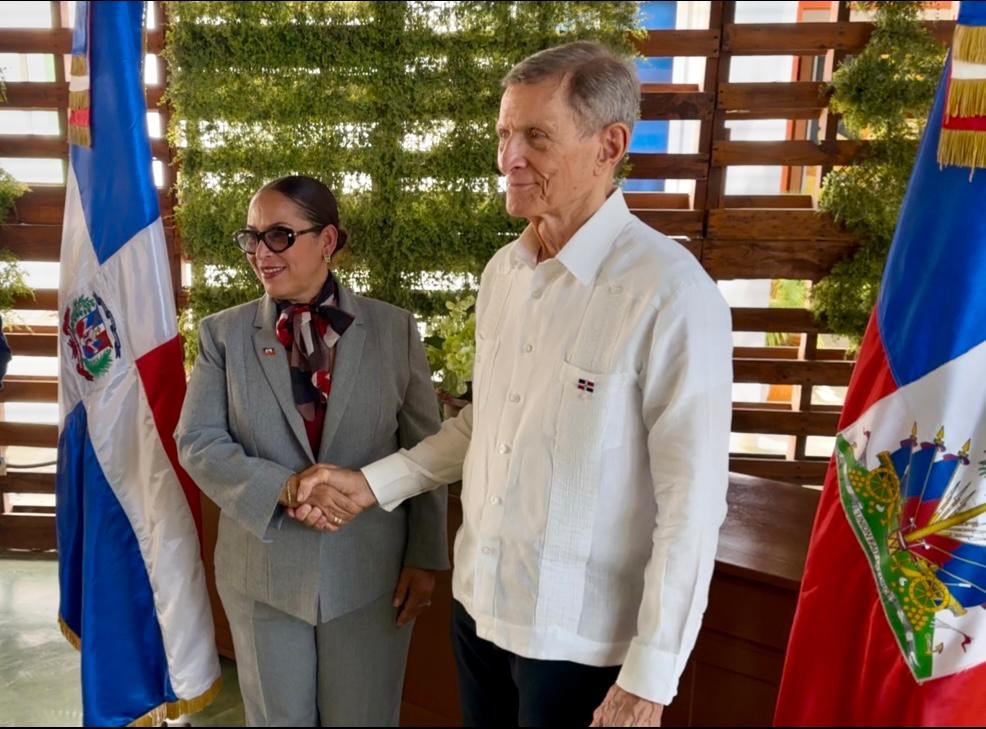
This policy shift comes just weeks after the resumption of high-level bilateral dialogue between the neighboring nations, which was relaunched on April 17, 2026, during a strategic meeting between Haiti’s Minister of Foreign Affairs, Raina Forbin, and her Dominican counterpart, Roberto Álvarez. The binational discussions focused primarily on border security, cross-border trade, transportation networks, and mutual cooperation frameworks. Both administrations expressed an immediate willingness to prioritize dialogue and good neighborly relations in managing island-wide affairs.
The JAC resolution builds in strict, mandatory compliance protocols for all domestic and foreign air operators. Airlines and shipping agents are now legally required to submit Advance Passenger Information (APIS) and Passenger Name Record (PNR) data directly to the Dominican National Intelligence Department (DNI) via a single-window e-system. Airlines must also ensure that travelers complete the mandatory electronic health, customs, and immigration forms. Furthermore, the framework introduces an entry exemption: foreign nationals lacking a Dominican visa may enter the country if they hold a valid, previously used visa from the United States, Canada, the Schengen Area, or the United Kingdom, provided it has a minimum validity of six months and the traveler presents a return ticket to their country of origin. Special humanitarian, emergency, and medical evacuation flights will continue to run under the existing protocols overseen by the Dominican Ministry of Foreign Relations (MIREX).