
The new multinational anti-gang force in Haiti will be deployed in “phases” over the coming months, according to Special Representative Jack Christofides, speaking before the UN Security Council.
“We are in a critical initial phase of establishing the Gang Repression Force (FRG),” said the South African diplomat, noting that it will gradually replace the previous Multinational Security Support Mission (MSS).
An initial deployment plan has been approved within the limit of 5,500 personnel, including soldiers and police officers. Christofides stated that force generation is progressing with strong commitments from member states, though details remain limited.
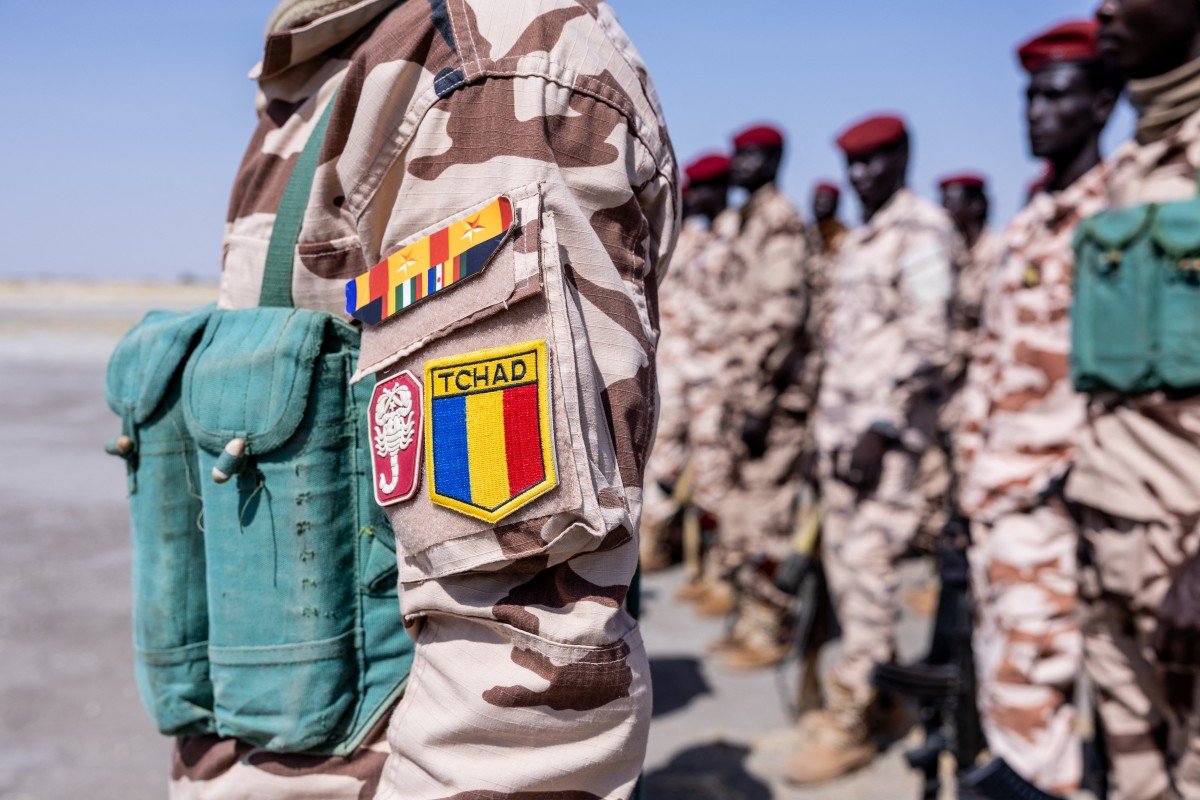
So far, only a contingent of 400 Chadian soldiers has arrived in Port-au-Prince, while Chad has pledged a total of 1,500 personnel.
The gradual withdrawal of MSS personnel will take place alongside the deployment of the new force to avoid a security vacuum in a country heavily affected by gang violence.
The UN Security Council approved the transition to this more robust force last September, following criticism of the previous mission’s limited resources.
Christofides emphasized the importance of strengthening operational capacities, particularly in maritime and border security, and stressed that the FRG is a means to help Haitian institutions regain control and establish long-term stability.
Meanwhile, UN representative Carlos Ruiz Massieu acknowledged political progress, including the transfer of power in February to Prime Minister Alix Didier Fils-Aimé. However, he reiterated that elections remain the only legitimate path to restoring constitutional order.
Despite some progress, the security situation remains deeply concerning, with nearly 1.5 million people displaced and gangs controlling most of the capital.