
Venezuela: interim president reshuffles military leadership under U.S. pressure
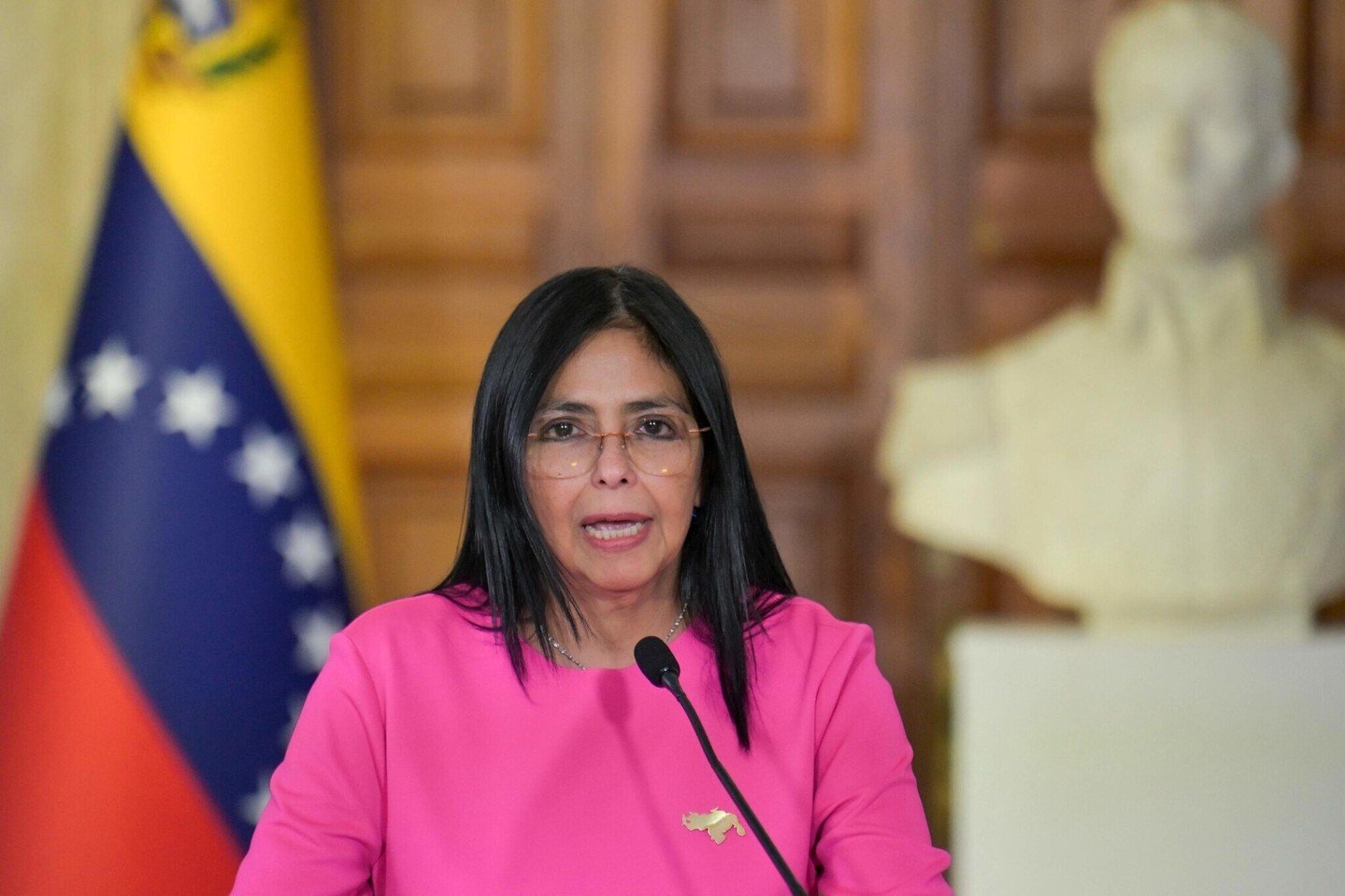
In Venezuela, interim president Delcy Rodríguez has launched a sweeping purge within the armed forces following the capture of former president Nicolás Maduro by the United States less than three months ago.
The changes have affected the Ministry of Defense, the army command, military regions, and intelligence services. Analysts say the move aims to reshape the military establishment—long considered a key pillar of Maduro’s power—while avoiding the risk of a coup.
To prevent unrest within the armed forces, Rodríguez reportedly began with minor adjustments before gradually consolidating control over the government. Since then, she has reshuffled the cabinet, removing 14 ministers, dismantled agencies created under Maduro, and dismissed the attorney general.
This week, she dismissed longtime Defense Minister Vladimir Padrino López, who had held the position for 12 years, replacing him with General Gustavo González López. The general previously led both of Venezuela’s intelligence agencies and has been accused by human rights groups of involvement in political repression.
Sources cited by Agence France-Presse say the appointment could only happen with approval from Washington. U.S. President Donald Trump has repeatedly claimed that his administration is now steering Venezuela after nearly three decades of socialist governance influenced by former president Hugo Chávez.
Military analyst and journalist Sebastiana Barráez described González López as “the United States’ man within the armed forces,” suggesting that his appointment marks the end of an era characterized by ideological loyalty to the socialist project.
Controversial figure
Despite his loyalty to the new leadership, González López remains a controversial figure. He previously headed the feared counterintelligence agency Dirección General de Contrainteligencia Militar (DGCIM) and the intelligence service Servicio Bolivariano de Inteligencia Nacional (SEBIN), both accused of torture and political repression.
Human rights organization Programa Venezolano de Educación-Acción en Derechos Humanos (Provea) criticized his appointment as a “recycling of impunity.” He is also under U.S. sanctions for alleged human rights violations.
Under his leadership at SEBIN, opposition politician Fernando Albán died in 2018 after falling from the tenth floor of the agency’s building in Caracas. Authorities said it was suicide, but the opposition claims he was murdered.
Broader military restructuring
Rodríguez has also appointed Rafael Prieto Martínez as head of the Strategic Operational Command, considered the second-highest position in the armed forces, while replacing commanders across all military branches and regional commands.
Observers say the changes signal a major geopolitical shift, potentially moving Venezuela closer to Washington after years of alignment with Russia and Cuba during the Chávez and Maduro eras.
Some military sources have even raised the possibility of a temporary U.S. military base in Venezuela, which would sharply contradict the interim president’s continued public rhetoric against “imperialism,” despite her strong backing from the Trump administration.