
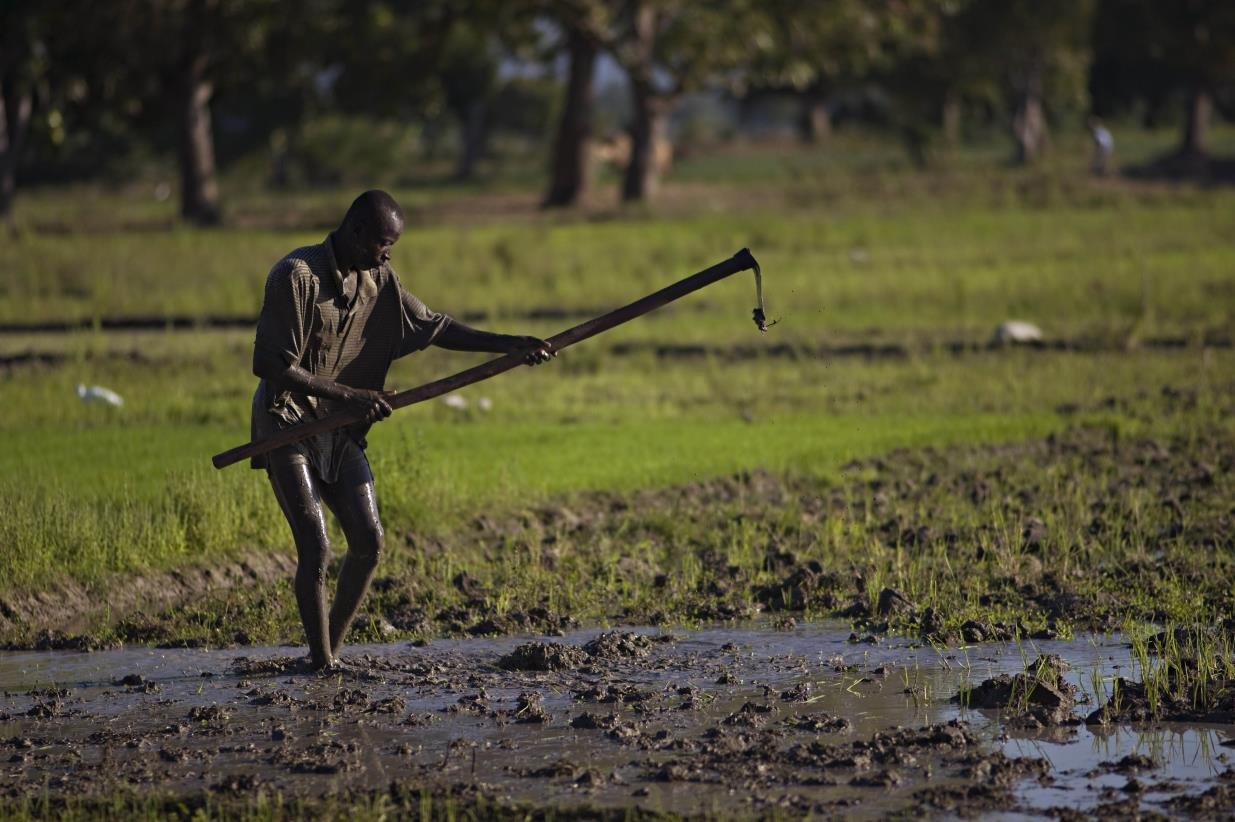
The Dominican Republic has quietly reached a historic milestone, becoming the leading rice producer in the Caribbean and Central America. In April 2026, the Dominican Ministry of Agriculture announced that the country’s production now exceeds the combined output of all other regional territories. With 1.5 million “tareas” under cultivation and two harvests per year, rice accounts for up to 15% of the nation’s agricultural GDP, supported by a strategic reserve of over 5 million quintals.
This success highlights a stark contrast on the island of Hispaniola. While the Dominican Republic has turned rice into a pillar of national sovereignty through massive investments in irrigation, mechanization, and seed quality, Haiti’s production continues to decline. Once self-sufficient, Haiti now imports 75% to 80% of its rice, largely from the United States. Experts point to the 1995 tariff reductions as a turning point that crippled Haitian farmers, leaving them unable to compete with subsidized foreign imports.
The divergence illustrates two different roles for agriculture: a strategic tool for economic stability in the Dominican Republic versus a marginalized sector in Haiti. As the Dominican government pushes forward with its 2026 Agricultural Operational Plan, Haiti’s increasing dependence on global markets leaves it vulnerable to price fluctuations and food insecurity, turning a matter of farming into a critical issue of national sovereignty.