
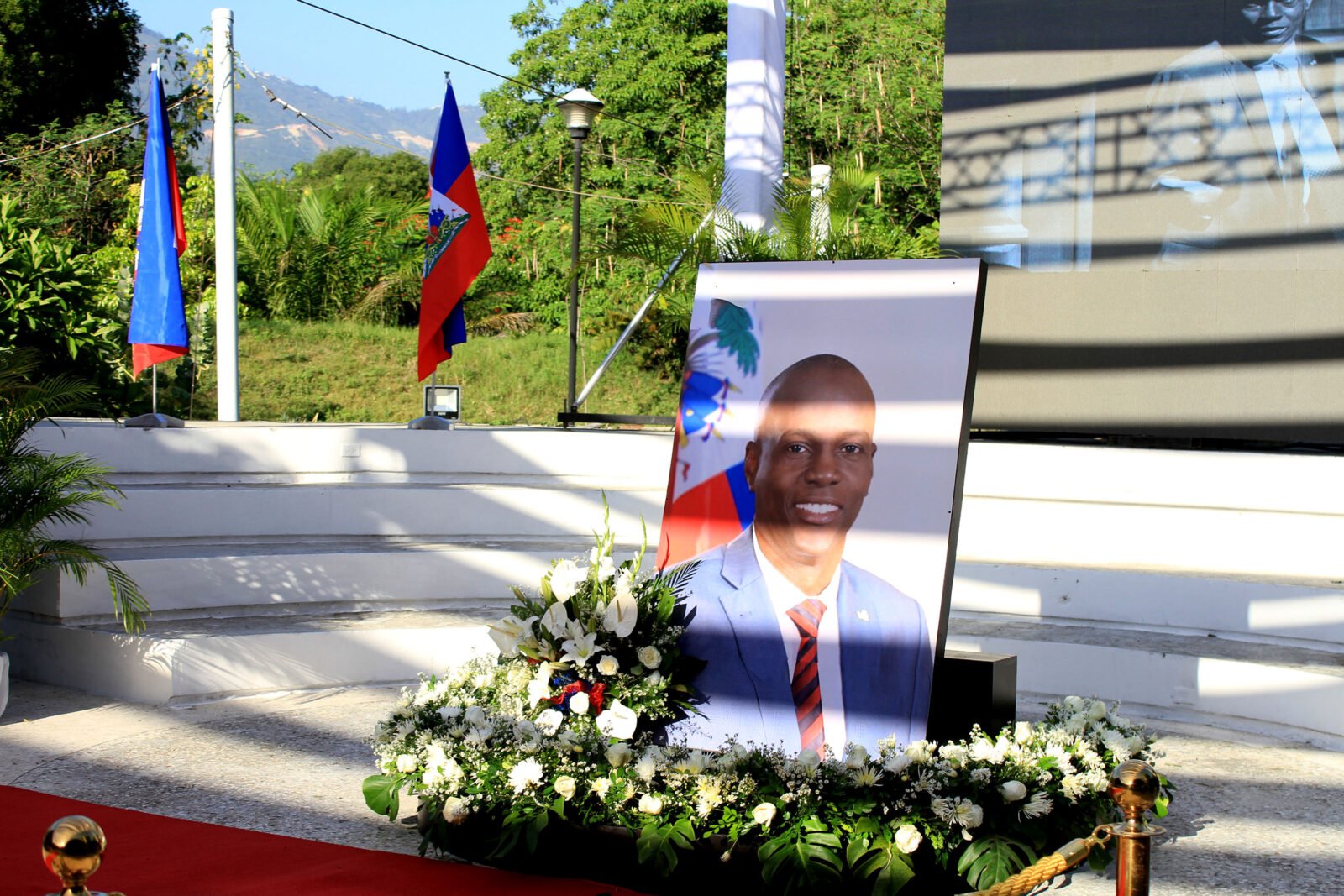
A Miami federal jury on Friday convicted four men for their roles in the 2021 assassination of Haitian President Jovenel Moïse, following a nine-week trial. The convicted individuals—Arcángel Pretel Ortiz (a former FBI informant), Antonio Intriago (owner of CTU Security), James Solages (a CTU operative), and Walter Veintemilla (a financier)—were found guilty of conspiracy to kill or kidnap a person outside the U.S. and providing material support resulting in death. All four face mandatory life sentences.
Prosecutors argued the Florida-based group recruited two dozen Colombian mercenaries, providing them with funding, weapons, and tactical gear. While the defense claimed the group only intended to serve an arrest warrant on Moïse for overstaying his term, the prosecution presented a “mountain of evidence” including 8,000 gigabytes of data from over 100 electronic devices. These records detailed the plot’s evolution from a coup to an assassination, fueled by the defendants’ desire for lucrative security and infrastructure contracts under a successor government.
The trial featured emotional testimony from former First Lady Martine Moïse, who survived the attack. Despite defense efforts to paint the operation as a Haitian-led conspiracy that used the defendants as scapegoats, the jury was swayed by evidence of coded messages—where weapons were called “tools” and Moïse a “rat”—and testimonies from co-conspirators who had previously pleaded guilty. While the verdict offers a degree of justice, researchers emphasize that the “Miami group” is only one piece of a broader, unresolved puzzle involving dozens of suspects still held in Haiti. A fifth defendant, Christian Emmanuel Sanon, will be tried later due to health issues.