
The United Nations Security Council reviewed the situation in Haiti, highlighting both political progress and ongoing security challenges. The UN Secretary-General’s Special Representative for Haiti, Carlos Ruiz Massieu, stated that the country is at a critical turning point, where institutional progress could pave the way for a credible future.
Massieu emphasized that elections remain the only legitimate path to restoring constitutional order, noting as a key milestone the completion of political party registration for the first time since 2016. However, he stressed the urgent need to finalize the electoral budget and legal framework.
Prime Minister Alix Didier Fils-Aimé, for his part, called for the rapid deployment of the Gang Repression Force (FRG), arguing that no development is possible without security. He noted that, with the support of the Haitian Armed Forces, the National Police, and the FRG, several areas of the capital are gradually being reclaimed.
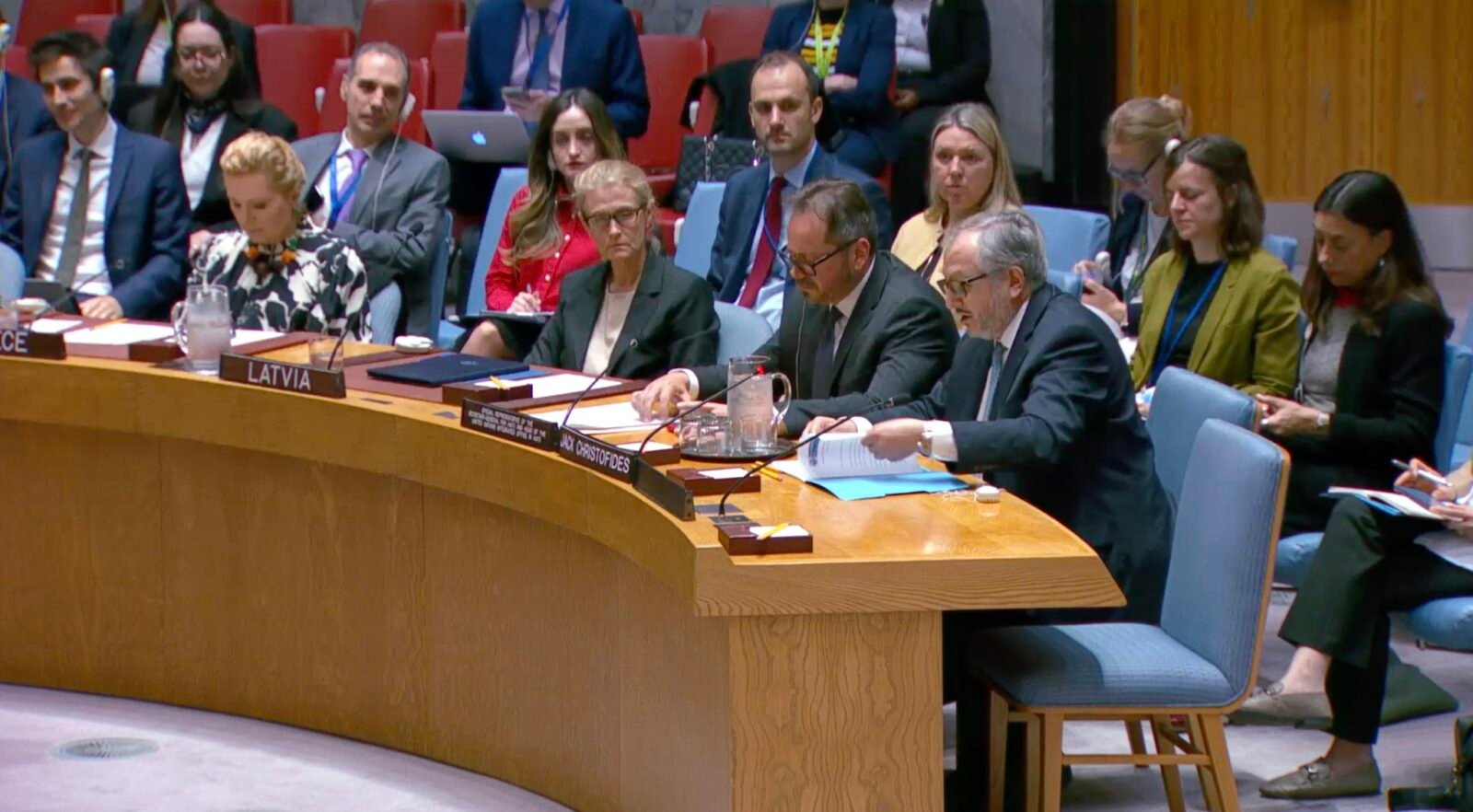
FRG representative Jack Christofides explained that the mission is not intended to be permanent but rather to enable Haitian institutions to regain control. An initial deployment plan предусматриes up to 5,500 personnel to be deployed in phases over the coming months.
Meanwhile, Kenya’s representative pointed out that previous multinational efforts showed security improvements are achievable, but warned that the final contingent will leave Haiti by the end of April 2026, making the full operationalization of the FRG urgent.
The Dominican Republic announced a $10 million contribution to support the mission, along with medical and logistical assistance, and plans an additional contribution in 2027.
The United States, a key driver of the initiative, welcomed the progress in operationalizing the FRG, stating that success will be measured by how quickly Haiti no longer depends on international security forces.