
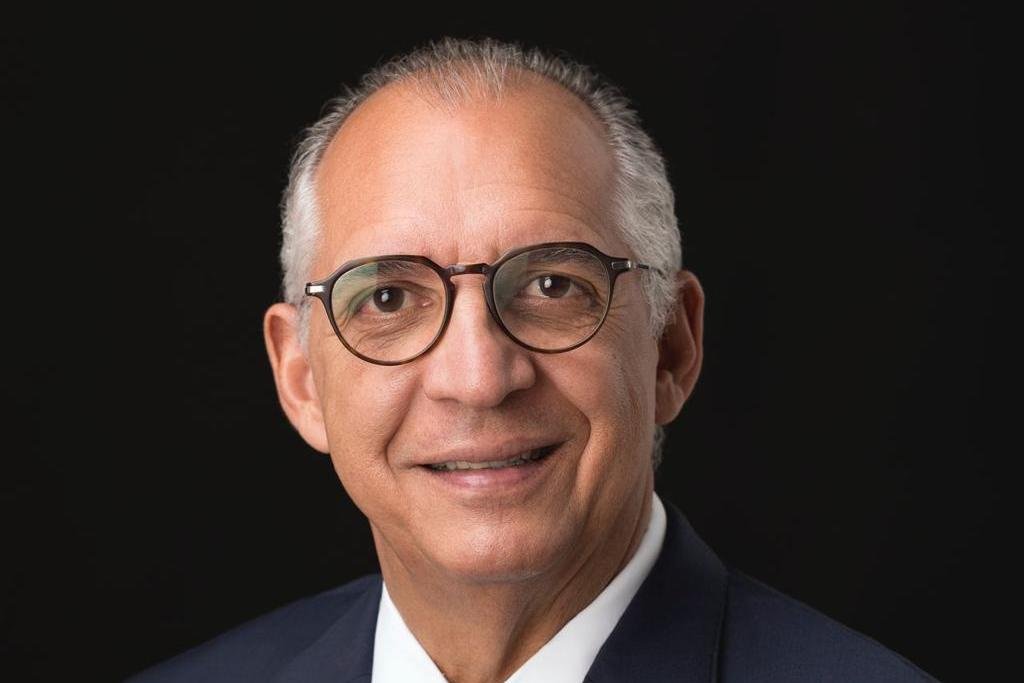
Prominent industrialist Fernando Capellán, the driving force behind the CODEVI industrial park, expressed grave concerns regarding the survival of the apparel manufacturing sector in Haiti. In an exclusive interview with Le Nouvelliste, Capellán detailed the delicate operational state of the manufacturing facility located in Ouanaminthe, which is currently running at a mere 20% of its normal capacity due to coordinated slow-downs and a severe dispute surrounding minimum wage structures.
The core operational gridlock stems from conflicting legal interpretations between labor unions and the Association of Industries of Haiti (ADIH). While the government updated the daily minimum wage to $1,000 \text{ HTG}$ (a 46.7% hike), immense confusion surrounds a separate “production wage” category of $1,300 \text{ HTG}$. Capellán warned that if the $1,300 \text{ HTG}$ benchmark is universally mandated, labor costs would spike by nearly 90%, rendering the sector commercially non-viable on the global market. Manufacturers are currently preparing to request a 32% price increase from international buyers to offset the standard $1,000 \text{ HTG}$ baseline, but a 90% surge would make Haiti one of the highest-cost production countries in the region, triggering mass factory closures.
This chronic labor instability is heavily damaging the manufacturing reputation of northern Haiti, a region historically promoted as a secure haven for production. Capellán noted that international apparel buyers are highly sensitive to disruptions, citing the upcoming June 7 departure of BrandM—an operator spanning six nations feeding over 25 clients across the US and Europe—as a severe blow to the country’s logistical credibility. Driven by ongoing strikes, CODEVI’s direct employment roster has plummeted from a peak of 24,000 to approximately 15,000 jobs. Capellán concluded by stating that these disruptions directly jeopardize crucial ongoing diplomatic efforts in Washington to secure a three-year extension of the US HOPE/HELP tariff exemption programs. “Without jobs, there is no industry; without an industry, there is no foundation for HOPE/HELP,” Capellán stressed, noting that CODEVI remains the socio-economic lifeblood for over 75,000 people in the border region.